
Introduction
I am currently reviewing the Sennheiser HDB630 headphones. These are just a bit different from your average cans in that they support the newer codecs aptX, aptX HD, aptX Adaptive, AAC and SBC thus giving you the ability to hear lossless hi-fidelity music as it should be heard.
Because of this, I thought it might be useful for those who are not familiar with the concept of codecs and how this can affect the quality of what you hear, to first go through what it means to have lossless music and why it is important. If nothing else it might dispel any thoughts that a $999 pair of headphones is a blatant rip off!
These headphones really are special, and this will hopefully help explain why. Of course, only a proper listen will totally convince you, and I strongly suggest you find a decent hi-fi shop that might let you have a test drive, so to speak. I promise it is worth it, if all the conditions are met!
Record Players and Hi-Fi Stereos
For those who just listen to music through earbuds from their smartphones, or perhaps through computer speakers from Spotify, then this will be interesting. I do however understand it could also be boring and in don’t care territory if it’s not your thing.
I’ll try and not be overly technical, and it doesn’t cover all the aspects it could, or go into any great depth, but does cover the basics.
So, for the former …
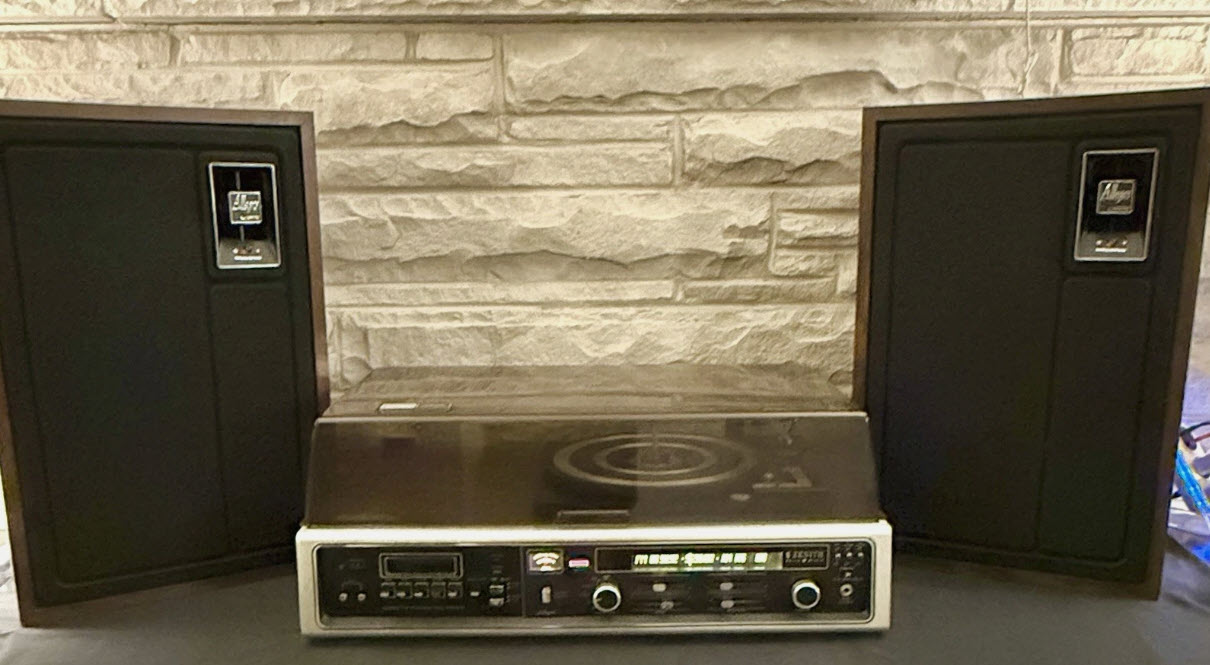
Before Spotify and MP3, and even before CDs, FM radio and cassette tapes, we had records, which were understandably played on record players,
Most households had some sort of record player – many were all in a single unit that also housed an AM radio. Other types had a single box for the turntable and amplifier with separated speakers connected by cable allowing them to be placed apart to better experience the stereo effect.
Modular Units
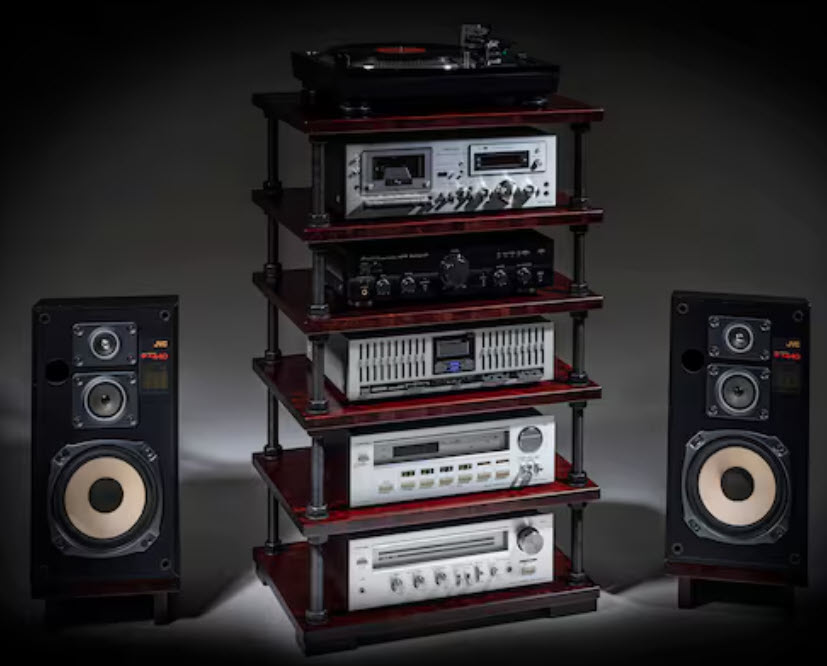
To get the best quality audio available, true music lovers had a stereo system built from modular units. At the most basic were separate turntable, amplifier and speakers, but many also added a graphic equaliser in order to “tune” the sound to a specific room, where the sound could be affected by such things as hard floors and walls, windows, soft furnishings and even mirrors! As technology changed, cassette and CD players were added to the stack of electronics.
The final price of a top shelf modular system could be eye watering. And much competition was had between many, many manufacturers such as Technics, Pioneer, Thorens, Klipsch, Sonab and others to build the best amps, turntables and speakers to get the very best sound from a record.
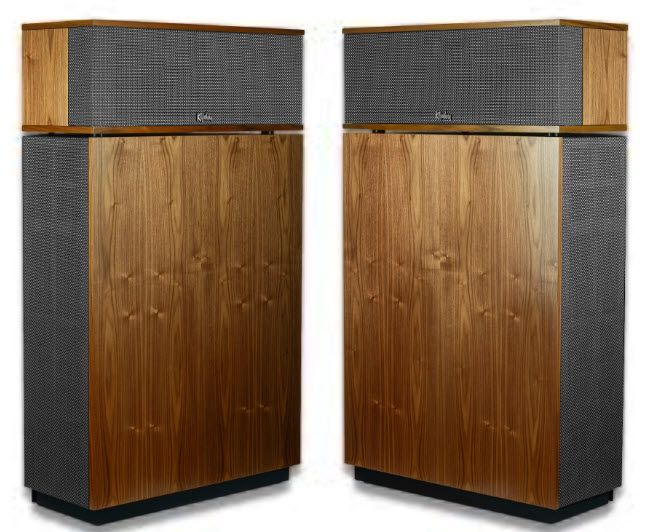
As an example, an acquaintance of mine in Port Hedland in the NW of WA, where in the 70s money was awash in the form of high wages from the iron ore industry, had a system with four Klipschorn speakers, each driven by a Marantz power amp with a Thorens turntable, and if I remember correctly, a Technics equalizer. The main amp for the system was a high-powered Technics.
And it was LOUD!
In 1970 this would have set him back around $10K and today, the speakers ALONE are $40K a pair!
But the sound out of it was glorious! My first introduction at a very high volume was Emerson, Lake and Palmer’s debut album and the track “Tank”, and I was blown away, almost literally.
By comparison, my own modest system, now long gone sadly, cost around $3K in 1982
Codecs and Compression
But it may surprise you to know, that playing your MP3 audio through such a system, or even a CD, will never, and can never, sound as good as that record did.
And the reason boils down to compression.
In order to make music files smaller, the original digitised sound is put through a process very much like running a comb through it. By removing certain frequencies, you’ll make the file smaller without removing too much of the original – hopefully.
With popular music played today, most of it electronically generated anyway, the average person wouldn’t hear too much difference in reality. But if you take something like a piano concerto, an opera, a piece such as the 1812 Overture from the classical music genre, or in the so-called “prog rock” or more highly engineered popular music such as Pink Floyd, Yes, Mike Oldfield, Steely Dan, Toto, The Alan Parsons Project or even something such as The Beatles Sergeant Pepper’s Lonely Hearts Club Band, you definitely do.
In some cases, quite dramatically so.
Sure, a decent set of speakers and a good amplifier will make a difference, but if the quality was not there in the first place, just like if an image shot on a camera is overexposed, you cannot play (or see in the case of an image) what bis simply not there.
Lossless Codecs
To combat this issue, music engineers have devised some very complicated and clever codecs called “lossless codecs”.
Now, a codec is simply a method to compress the music (or video) to make the file smaller as I mentioned earlier. The trick is to try and retain as much of the original quality as you can.
Videographers will be familiar with H.264 and H.265 for example, and just about everyone knows MP3 for audio. These are all codecs.
There are more complex ones though that need special equipment to play music encoded with them, such as aptX, aptX HD, aptX Adaptive, AAC and SBC.
These are lossless codecs, but you do need the right equipment and the music has to be in the right format to take advantage of them.
You can get an amplifier that supports some or all of these codecs, which by the way are all supported using Bluetooth connectivity, such as the Aiyima A80 DAC amp (from Bunnings believe it or not, as well as JB HiFi) and it costs around $330. Cheaper units can also be obtained from Harvey Norman and whilst I have not used or even seen these, as is always the case, price is an indication potentially of quality.
Music Availability
Of course, as mentioned, to get the best from these sorts of devices, you need to have the music your are listening too already encoded using one of the codecs and thankfully, this is becoming more and more available.
Both Amazon Music Unlimited and Apple Music offer lossless music online, and lesser well-known sites, Tidal and Qobuz are also carrying hi-res audio.
Spotify at this stage generally does not from what I can see, but these is an exception, sort of. Spotify uses its own codec for streaming from your smartphone, music player or computer, but Spotify Premium does support lossless in 24 bit/44.1KHz – in other words CD quality to all intents and purposes.
But the problem here is that as it is usually streaming via Bluetooth, it will be compressed by Bluetooth so it loses that benefit straight away.
This is particularly where the Sennheiser HDB630 headphones come into play, as they include a dongle that allows the Bluetooth streaming via the dongle that retains the quality. You can read the full review of these headphones (which actually precipitated this article) shortly on this website.
If you want to try out the aptX, aptX HD, aptX Adaptive, AAC and SBC codec and see how good they, for example by going into a proper HiFi store and asking for a demo, some good examples available online are:
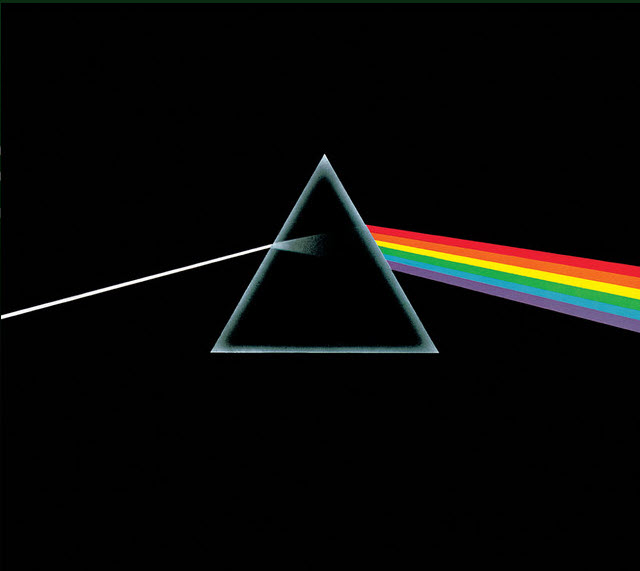
- The Dark Side of the Moon (50th Anniversary) 2023 Remaster — Pink Floyd
- Brothers In Arms (40th Anniversary Edition) — Dire Straits
- Thriller — Michael Jackson
- Back To Black — Amy WinehouseThe
Or if jazz is more your thing,
- Classic jazz & acoustic — e.g. albums by Keith Jarrett, Miles Davis, John Coltrane
These and others can be found on static-www.qobuz.com and qobuz.com
Conclusion
I appreciate there is a lot there to digest, but if you love your music and want to hear it the best way it possibly can be heard, and the way the musicians and singers clearly intended, then using the technology these codecs have will allow that.