
I’ve told this story many times, but in the context of SD card sizes it is worth repeating as the question as to what size card you should use arises often in relevant forums for DJI cameras and drones, GoPros and mirrorless cameras etc.
It also gives you a different slant on those cameras such as the DJI OSMO 360 II or DJI AVATA 360 drone that have internal memory.
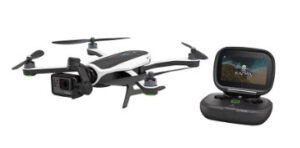
Back in 2016 or so, my good friend John Haenke invited me to go on his fishing charter in Hervey Bay. Being a keen fisherman, of course I was up for it. There was a proviso though; John wanted some drone shots of his new boat for PR purposes, and as I had recently been sent a GoPro Karma drone for review, this was a perfect opportunity to kill two birds with one stone.
I didn’t think at the time this would happen literally!
Out on the bay, I sent the drone up and got some fabulous shots just as he wanted, and then from a small sand cay, some land-based shots of John zooming past and taking a large curve at speed.
Lovely.
Whales – the Swimming Kind Not The Country

Heading back to the boat ramp, we decided to stop for a bit of actual fishing and while my wife Jacqui was casting a line in, I changed the SD card in the drone “just in case” as the existing one – 32GB at the time – was getting a bit close to full.
Suddenly, a huge pod of whales appears around the boat, so I sent the drone up again and got some more footage, brought it back, changed to another new card and went aloft a third time.
Unbeknownst to use, or anyone else for that matter at the time, the GoPro Karma had a fatal technical flaw in that the battery level sensor was not accurate by around 5 minutes or so. I got a warning from the controller the battery was getting low and to bring the drone “home”.
I started to bring it back to the boat, and when about 2 metres away and a height of maybe 3 metres, the battery died and the Karma hit the briny and sank like a stone.
Card Sizes
Now, unlike today’s drones that have an integrated camera, the Karma used a GoPro 5 Black mounted to a gimbal on the drone, and the whole setup back in 2016 was around AUD$2K. And now it was gone forever.
Small mercies though, as I had changed SD cards a couple of times, most of the footage had been saved and certainly the important stuff we had gone out specifically to shoot was.
This is the nub of the story. If I had had a larger card in the drone – say in today’s terms a 256GB or even a 512GB one, ALL the footage would have been lost, and that would have been tragic.
That also of course applies if relying solely on the onboard memory of a drone or camera and why it is better to use smaller capacity cards and change them often.
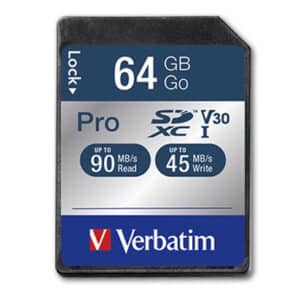
I use Verbatim 64GB maximum cards and swap them out when around ¾ full.
It would be rare for equipment failure as in the GoPro Karma’s case to happen today, but accidents and incidents do happen, so using smaller capacity cards is a very good insurance against a potential catastrophe.